
Indonesia 1 South Tower Sets Global Milestone for Supertall Office-to-Residential Conversion
- Home / Articles / Indonesia 1 South Tower Sets Global Milestone for Supertall Office-to-Residential Conversion
Indonesia 1 South Tower Sets Global Milestone for Supertall Office-to-Residential Conversion
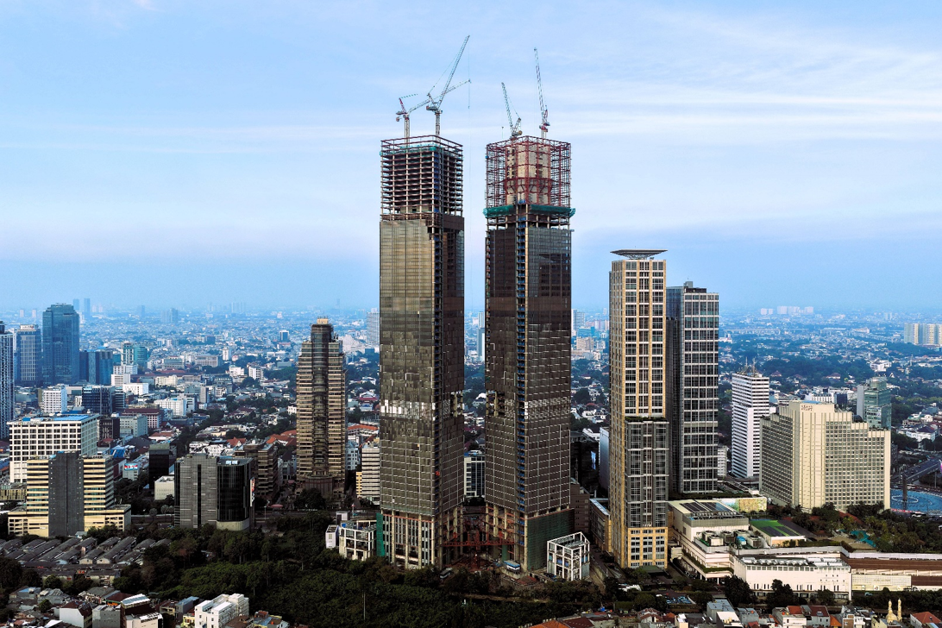
The conversion of 75,820 m² of office floor area to residential space in the 303.5-meter Indonesia 1 South Tower on Jalan Thamrin, Jakarta, sets a new global benchmark for supertall adaptivity and structural repositioning.
Global Milestone & Significance
· World’s Tallest Office-to-Residential Conversion:
At 303.5 meters, the South Tower officially surpasses 70 Pine Street in New York (290 m) as the tallest supertall building in the world to execute an office-to-residential change of use.
· Massive Converted Scale:
Converting 75,820 m² of floor area within a 300m+ envelope represents one of the largest single-building residential conversions ever undertaken in a supertall structure globally.
Key Engineering Implications
· Mass Redistribution & Dynamic Response:
Converting office space to residential alters the superimposed dead load (SDL) through additional unit-demising walls, acoustic floor toppings, and distributed bathroom/kitchen installations. This mass adjustment can shift the building’s fundamental period and requires re-verifying base shear and dynamic wind accelerations at the top of the tower. In the case of the Indonesia 1 South Tower, the overall seismic mass is balanced, ensuring no significant shift in the fundamental period.
· Slab Penetrations & Diaphragm Integrity:
Unlike centralized office core restrooms, 75,820 m² of residential units require hundreds of new vertical MEP risers, waste stacks, and water supply lines. Core drilling through floor slabs must be engineered using non-destructive testing (NDT/GPR) to protect embedded steel reinforcement and maintain diaphragm shear transfer to the central core.
· Facade & Wind Pressure Management:
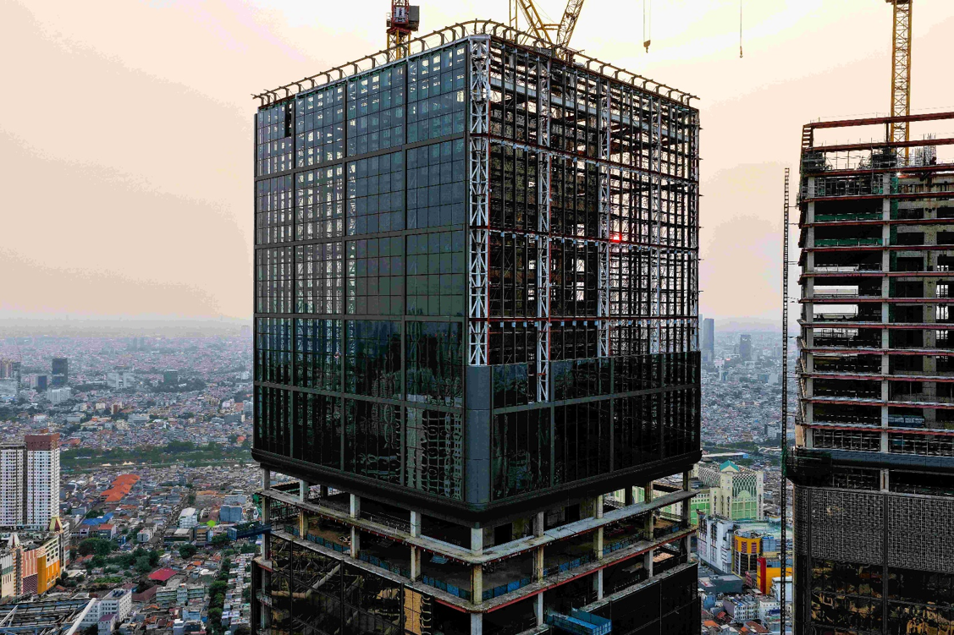
At 300+ meters along Jalan Thamrin, local negative wind suction pressures are severe. Adapting fixed office curtain wall modules for residential occupancy requires engineered parallel-pop-out or pressure-equalized ventilation slots to withstand peak gust pressures without compromising watertightness.
· Egress & Core Re-allocation:
Shifting occupancy from high-density office peaks to 24-hour residential usage alters elevator traffic patterns and life-safety requirements, allowing elevator shafts and egress pressurization systems to be reconfigured and optimized for residential zoning.
Recent Posts
